
Candidates for President-Elect
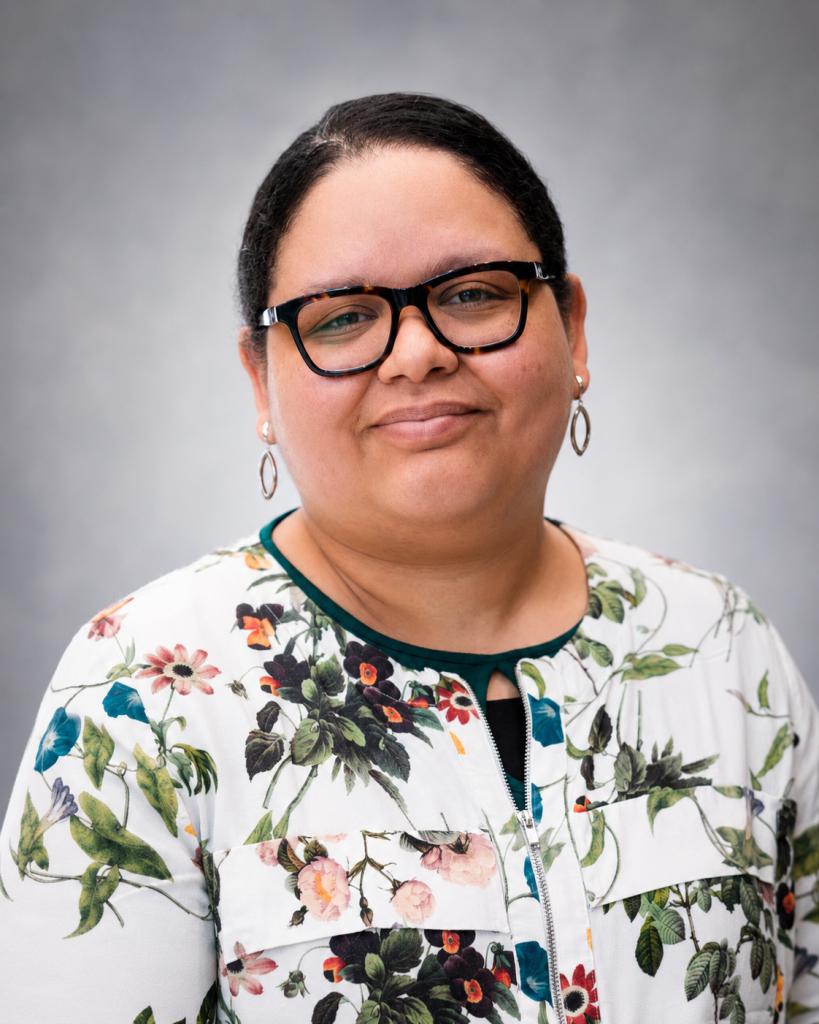
Ellen Engelhardt, PhD | Netherlands Cancer Institute
SMDM has been my professional community throughout my career, and I would be honored to serve as President-Elect. What I value most about the Society is its combination of methodological excellence, interdisciplinary collaboration, strong mentorship, global perspectives, and a shared commitment to improving decisions for patients and society.
Through serving SMDM in roles including Vice-President, International Trustee, co-chair of the Patient Advisory Council, newsletter editor, and member of the DART team, I have gained a broad understanding of the Society and its community. These experiences have shown me both what makes SMDM distinctive and where there are opportunities to extend its reach and impact.
If elected, my key focus would be to help realize SMDM’s strategic ambition to be recognized as the leading methodological society across the breadth of medical decision making, from decision modeling and health economics to decision psychology and shared decision making. SMDM’s members represent an extraordinary depth of expertise, and I believe this expertise should be more visible and influential among funders, policymakers, researchers, clinicians, and partner organizations.
To help realize this ambition, I would work towards (further) strengthening strategic partnerships with clinical and scientific societies, creating more opportunities for SMDM’s methodological expertise to inform research and clinical practice. I would also prioritize sustaining and growing our international membership.
SMDM’s members are among its greatest strengths, and by deepening engagement across regions, creating meaningful opportunities to contribute, and supporting members’ professional development and leadership at all career stages, we can build an even stronger and more connected global community. Together, these efforts can extend SMDM’s reach and amplify its contribution to better decisions for patients and society.
Background: I am a researcher at the Netherlands Cancer Institute in Amsterdam. I have a background in nursing and health sciences. My work focuses on shared decision making, risk communication, and the development, implementation, and evaluation of decision support tools. I am particularly interested in translating scientific evidence and risk information into accessible formats that support meaningful conversations between patients and clinicians.
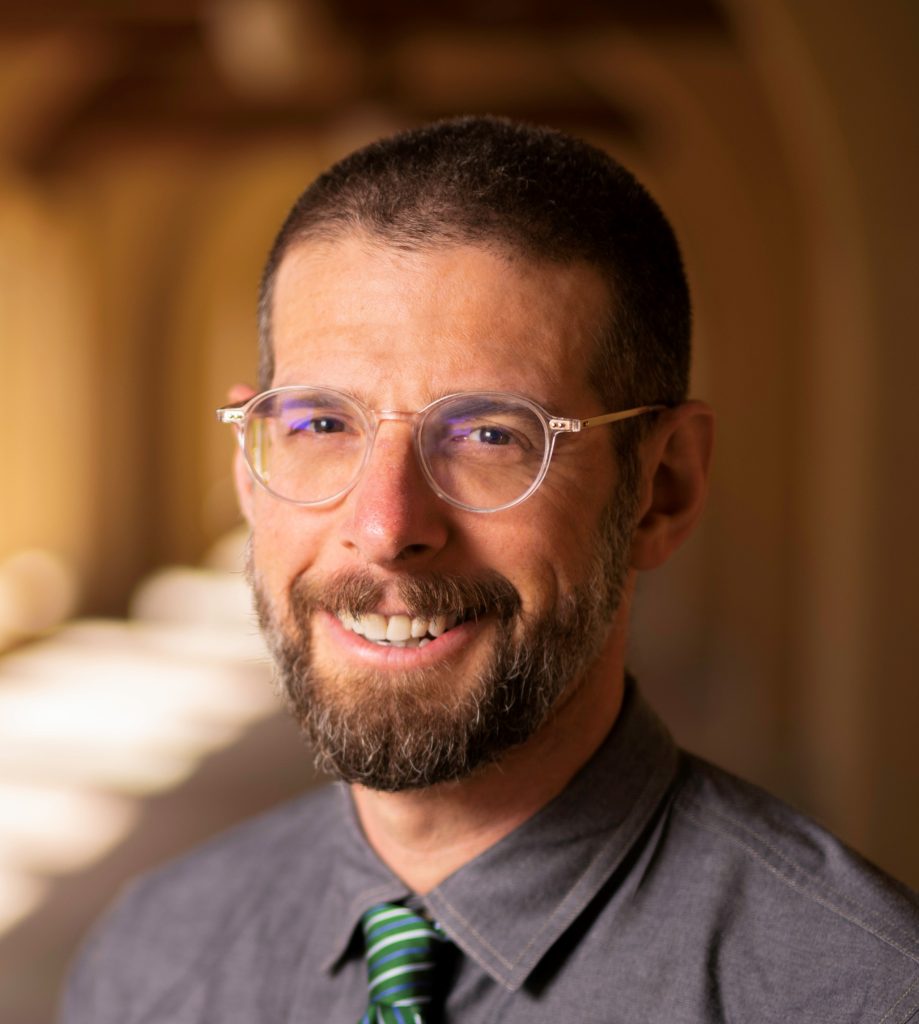
Jeremy Goldhaber-Fiebert, PhD | Professor of Health Policy, Stanford University
SMDM has provided me with many opportunities to learn and grow professionally while developing numerous lasting friendships. I want all our members to have such opportunities; that is why I am eager to serve as SMDM’s President.
The 2026 Oslo meeting confirmed that SMDM has successfully navigated a period of change and transformation – attendance was back up with many countries represented, and the meeting was financially sustainable. Thanks to the vision and hard work of our members and leadership, we are positioned for future success.
SMDM achieves global reach and impact through its core strengths: multidisciplinary methodological excellence; rigorous applied analyses from the individual to society; and formative educational activities. SMDM’s success comprises the continued involvement of an active global membership.
Two drivers of success are: 1) a conscious focus on trainee and early-career members, supporting their growth by providing opportunities for involvement, recognition, and leadership; 2) expansion from being an organization focused on a meeting and journal to one with year-round activities – notable examples include our well-attended online courses and our engagement with other organizations, affirming members’ multidisciplinary identities and scope.
If elected, I would seek to augment these areas, involving more trainees and early-career members from the broadest possible range of institutions, geographies, and backgrounds, including expanding support for participation from Low- and Middle-Income Countries; encouraging streamlined processes for member-initiated, year-round activities like regional micro-meetings and networking events; and supporting the continued expansion of engagement with policy, practitioner, and clinical thought-leaders and decision makers in our annual meetings.
Background: Jeremy is a Professor of Health Policy at Stanford University and has been an SMDM member for 23 years. Born in rural Maine, Jeremy’s US public-school education was punctuated by time as an exchange student to the Soviet Union in 1989. Jeremy finished an undergraduate degree at Harvard (1997). After working in software engineering for 5 years, he conducted a year-long public health research program in Costa Rica (2001). Winner of the Lee B. Lusted Prize for Outstanding Student Research (2006, 2008), he completed his PhD in Health Policy – which included fieldwork in Peru, South Africa, and Tanzania – at Harvard in 2008. Since 2008, he has been faculty at Stanford. His research involves applied policy analyses for diseases including HCV, HIV, Tuberculosis, opioid and stimulant use, HPV/cervical cancer, and COVID-19, directly connected to policy decision makers in California’s Department of Public Health and its prison system. His research has also involved methodological work on model calibration and validation and value of information analyses.
Jeremy was elected as an SMDM Trustee (2011-2013) and has served on SMDM’s Membership Committee, Policy Committee, Global Health Working Group, Strategic Planning Committees, and Finance Committee. Since 2010, he has served in various roles including scientific co-chair, meeting co-chair, organization committee member, and short-course instructor for SMDM meetings held in North America, Asia-Pacific, and Europe. He was elected SMDM’s Secretary-Treasurer (2022-2023) and has been a member of Medical Decision Making’s editorial board (2012-2016) and an Associate Editor (2016-present). In 2025, he received SMDM’s Distinguished Service Award.
Candidates for Vice President-Elect
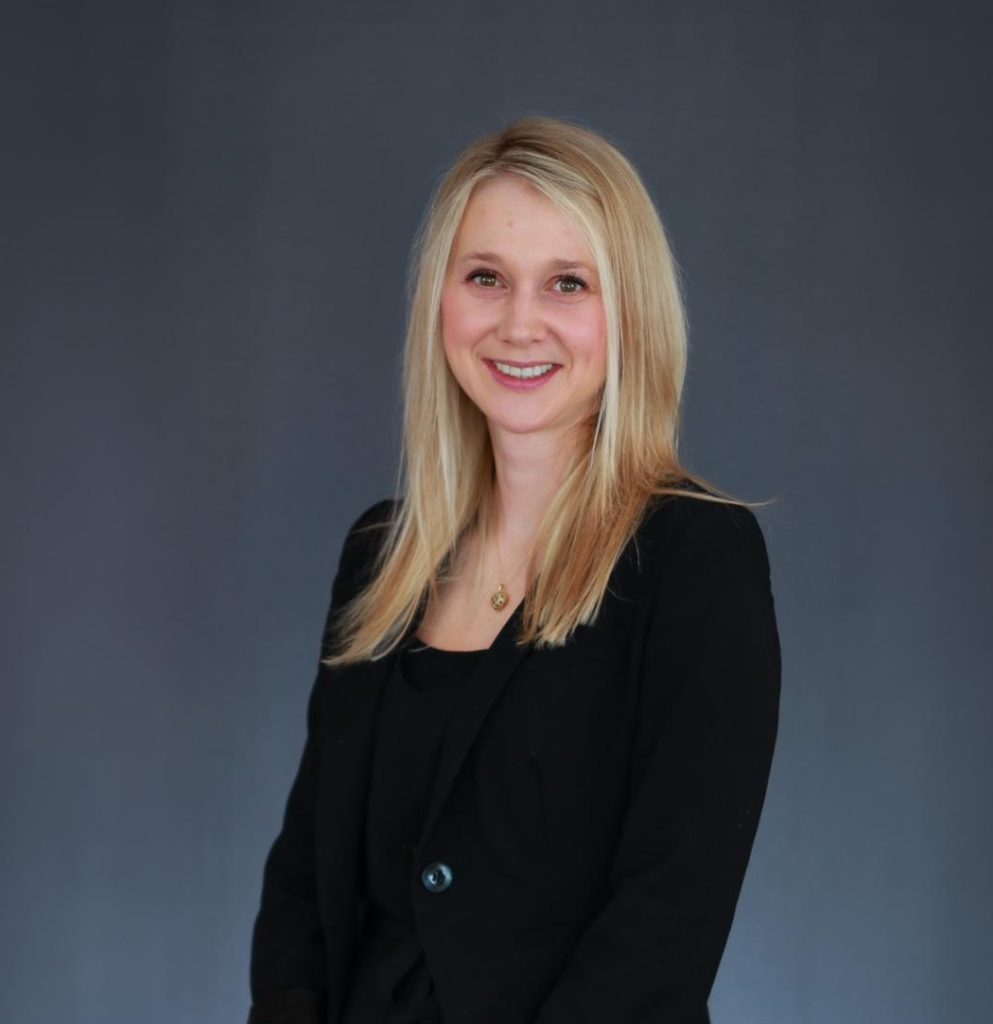
Natalia Kunst, PhD | Associate Director/Assistant Professor Adjunct, Bristol Myers Squibb/ Yale University
SMDM has been my professional home since I joined in 2018. It is the most welcoming, generous, and supportive professional community I have known, and it has shaped my career through mentorship, collaboration, intellectual exchange, and opportunities to grow as a researcher and leader. I wish to serve as Vice President both to give back to this community and to help SMDM broaden its global reach and impact.
I served as a Trustee from 2022 to 2025 and have contributed to committees and task forces spanning membership, short courses, communications, finance, nomination, and strategic planning. These experiences gave me a strong understanding of SMDM’s governance and of the sustained, collaborative work required to turn strategic priorities into action.
I would bring a cross-sector perspective. Through my roles in industry at Bristol Myers Squibb, academia at Yale University, and public-sector health technology assessment through NICE, I see how evidence is generated, evaluated, communicated, and used. I would help SMDM connect rigorous methods with the human dimensions of decision making: how patients, clinicians, and policymakers understand uncertainty, weigh trade-offs, and incorporate values and preferences into decisions.
My career has taken me across Poland, Norway, the Netherlands, the United States, and the United Kingdom. Now based in Europe, I would work to strengthen engagement and leadership opportunities for members across European countries and beyond, while building connections throughout SMDM’s global community. I would champion early-career development, interdisciplinary collaboration, and inclusive participation, helping ensure that SMDM remains welcoming, scientifically ambitious, and globally relevant.
Background: Natalia Kunst, PhD, is a decision scientist and health economist whose career spans industry, academia, and public-sector health policy. She is an Associate Director in Global Evidence, Analytics & Insights at Bristol Myers Squibb, an Assistant Professor Adjunct at Yale School of Medicine, and a committee member at the UK National Institute for Health and Care Excellence (NICE). Working across these settings gives her a broad perspective on how evidence is generated, evaluated, and translated into clinical, reimbursement, and policy decisions.
Her research focuses on decision-analytic modelling, evidence and uncertainty, value of information analysis, oncology, early disease detection, model validation, and emerging applications of artificial intelligence in health economics. She led the CHEERS-VOI reporting guideline, co-founded and co-leads the Collaborative Network for Value of Information, and co-edited the textbook Value of Information for Healthcare Decision Making. She is an Associate Editor of Value in Health journal and a principal member of the SMDM-ISPOR Model Validation Task Force.
Natalia served as a Trustee of the Society for Medical Decision Making from 2022 to 2025. Her previous roles include Associate Professor at the Centre for Health Economics, University of York; Senior Advisor at the Norwegian Directorate of Health; and Postdoctoral Fellow at Harvard Medical School. She received the 2024 ISPOR Bernie O’Brien New Investigator Award and holds a PhD from the University of Oslo, with doctoral training at Yale University.
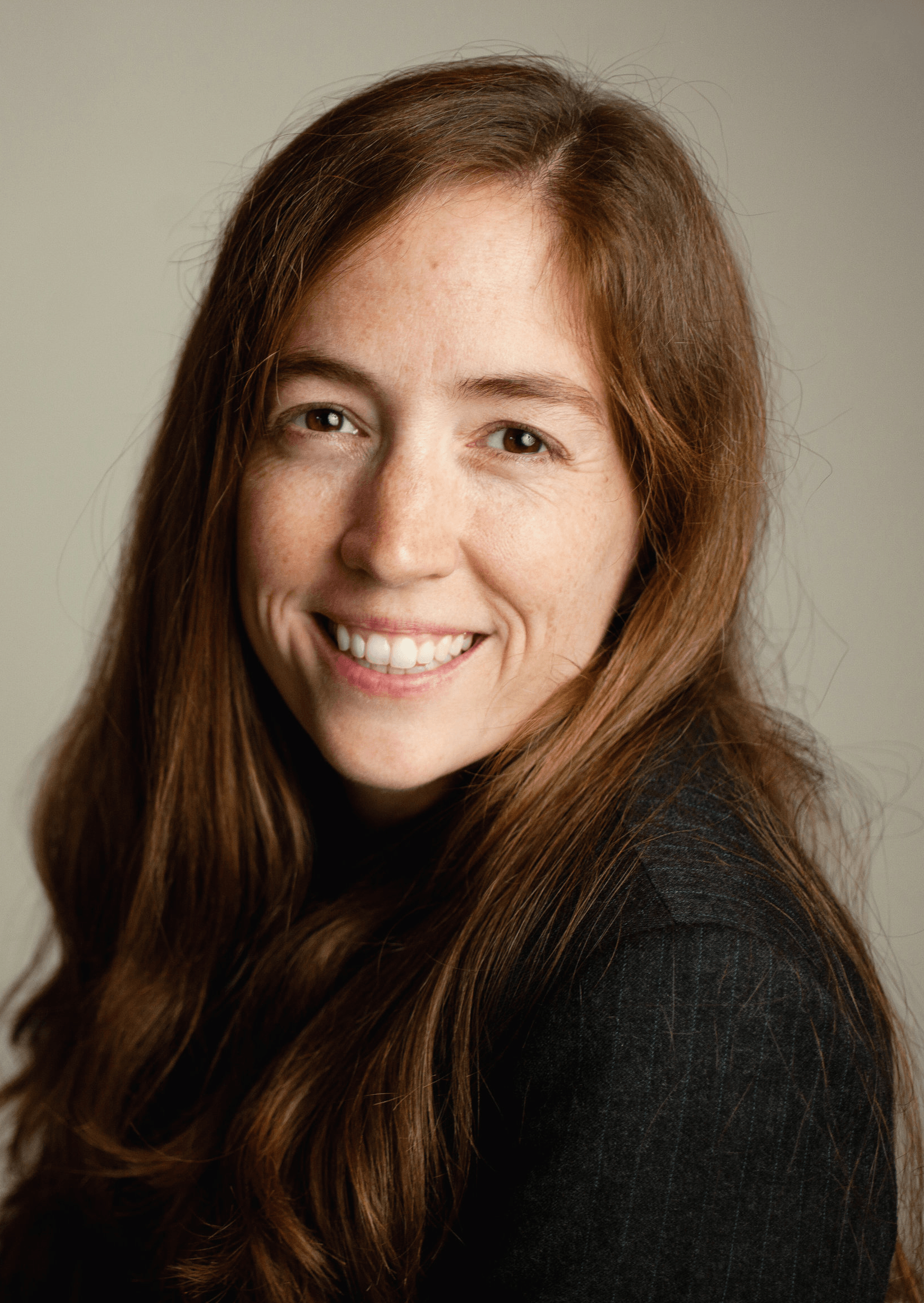
Laura D. Scherer, PhD | Associate Professor, University of Colorado
I am honored to be considered for the role of Vice President of the Society for Medical Decision Making. SMDM has been my intellectual home since 2012 and it is by far the most welcoming and supportive community of scientists that I have had the pleasure of knowing. I recently completed a 3-year term as Trustee and am eager to continue serving the Society.
As Vice President I would be especially committed to strengthening SMDM member engagement. During my term as Trustee I noticed that the Special Interest Groups (SIGs) had largely become inactive, and I was appointed by the Board to serve as SIG Coordinator. Over the past 3 years I have worked to reinvigorate the SIGs by launching biannual SIG Chair meetings, assessing needs, improving organization for the annual conference, and establishing support for online events. We now have 12 active SIGs that hosted 31 meetings and webinars in the past 12 months, up from just a few active groups and events before.
This experience reinforced for me how much enthusiasm our members bring to SMDM, and how SMDM can channel and amplify that enthusiasm through thoughtful organization and infrastructure. In this moment, which feels tumultuous and uncertain for so many of us, the intellectual community we create through this Society is a lifeboat. I would welcome the opportunity to continue serving SMDM and identify new opportunities to foster member connection, collaboration, and support for one another.
Background: I am an Associate Professor and PhD social and decision-making psychologist at the University of Colorado School of Medicine. I serve as Associate Director of the Colorado Program for Patient Centered Decisions and I am a member of the University of Colorado Cancer Center.
I have appointments in the University of Colorado Division of Cardiology and the VA Denver Center of Innovation. SMDM has been my intellectual home since 2012, and I served as an SMDM Trustee from 2023-2025 and have been a longstanding editorial board member for our journal. My interdisciplinary research integrates psychology with clinical medicine to improve how patients, clinicians, and the public interpret and use health information. This work examines how cognitive and emotional processes—such as affect, trust, and medical decision-making styles—influence responses to health information and medical recommendations. Through NIH-funded research, I have investigated topics including personalized cancer risk communication, breast cancer screening decision-making, susceptibility to health misinformation, and strategies to improve clinician communication. The overarching goal of my work is to leverage psychological science to support patient-centered care and evidence-informed decision making.
Candidates for Secretary Treasurer-Elect
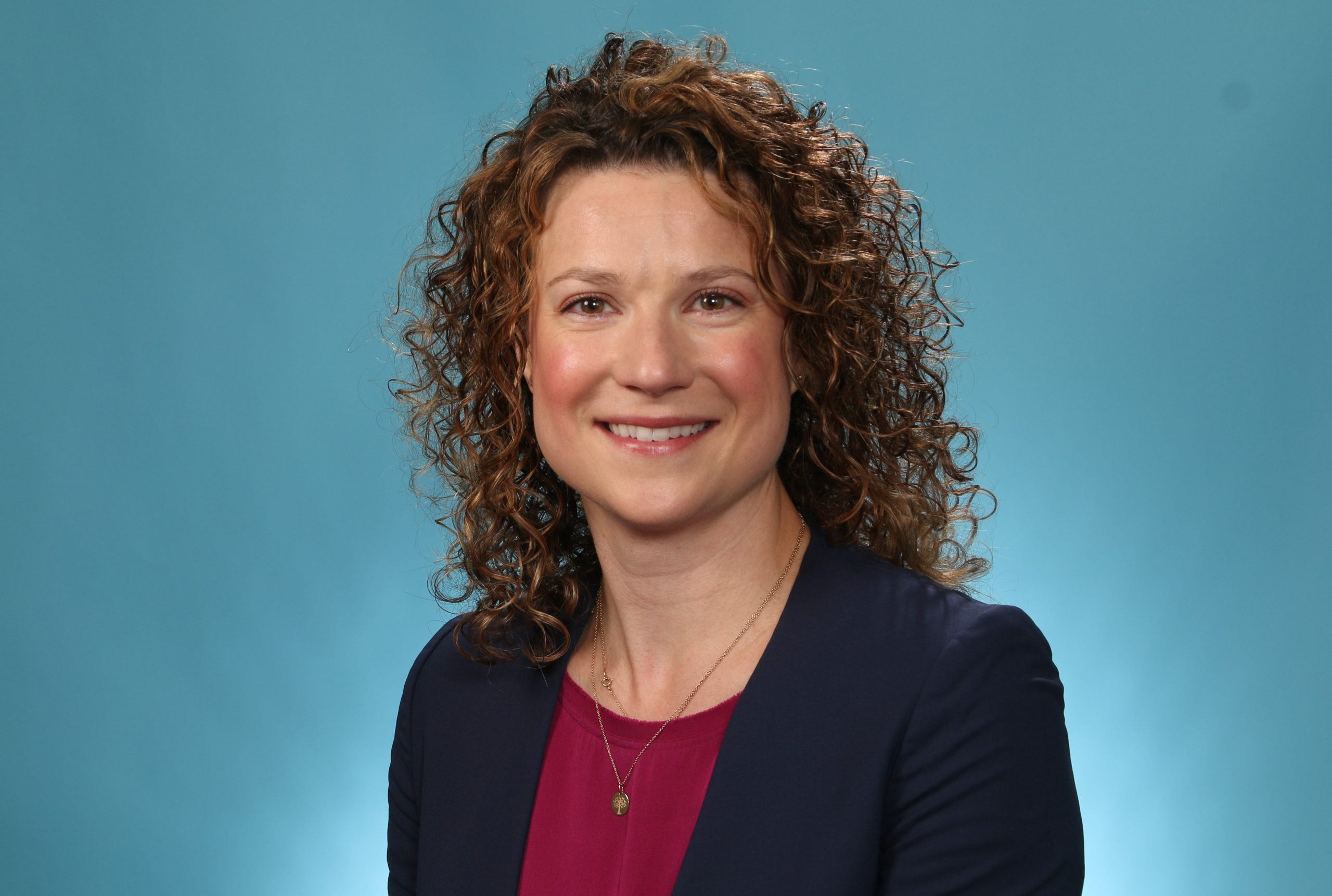
Ashley Housten, OTD, OTR/L, MSCI, MPA | Associate Professor, WashU Medicine
I am honored to be nominated for Secretary-Treasurer Elect of the Society for Medical Decision Making (SMDM). SMDM has been my academic home since 2015, playing a pivotal role in my career development. Serving as Chair of the Regulations Committee, Co-Chair of the Patient Advisory Council, and Co-Chair of the Awards Committee has provided me with a deep appreciation for the society’s operational governance, inclusive culture, and commitment to engagement with various research partners.
As Secretary-Treasurer Elect, I will bring a strong combination of financial oversight, administrative expertise, and strategic leadership grounded in my role leading grant-funded research, my training in public administration (MPA), and my SMDM service.
My goal is to ensure the long-term financial stability and operational transparency of SMDM while strategically aligning our resources to advance the society’s core mission: advancing medical decision-making research and practice, promoting equitable opportunities to support the quality and value of health decision-making, and fostering patient-centeredness.
I am committed to maintaining fiscal responsibility while investing in initiatives that deepen community and patient engagement, support early-career investigators, and broaden global representation across SMDM activities.
I look forward to leveraging my leadership experience, administrative background, and dedication to the SMDM community to support the Board of Trustees and serve our membership.
Background: Ashley J. Housten, OTD, OTR/L, MSCI, MPA, is an Associate Professor of Surgery in the Division of Public Health Sciences at Washington University School of Medicine in St. Louis. She serves as the Assistant Director of Research for the Community Outreach and Engagement Program at Siteman Cancer Center, the Co-Director for the Center for Collaborative Care Decisions, and the Co-Director of an NCI T32 Cancer Prevention Postdoctoral Training Program.
Dr. Housten’s research program focuses on shared decision making, patient centered communication, and implementation science, with an emphasis on developing, evaluating, and implementing patient decision support tools to advance health equity and well-informed medical decision-making. Her work spans cancer screening, treatment decision-making, and addressing the financial burden of care.
An active member of the Society for Medical Decision Making (SMDM) since 2015, Dr. Housten has held several key leadership roles within the organization. She currently serves as Chair of the Regulations Committee, Co-Chair of the Awards Committee, and Co-Chair of the Patient Advocacy Council. Previously, she served as Co-Chair for the Lee B. Lusted Student Prize Committee and has regularly contributed to abstract reviews for the Annual Meeting. Additionally, she serves on the Editorial Board for Medical Decision Making and MDM Policy & Practice.
Dr. Housten holds a Doctorate in Occupational Therapy, a Master of Science in Clinical Investigation, and a Master of Public Administration.
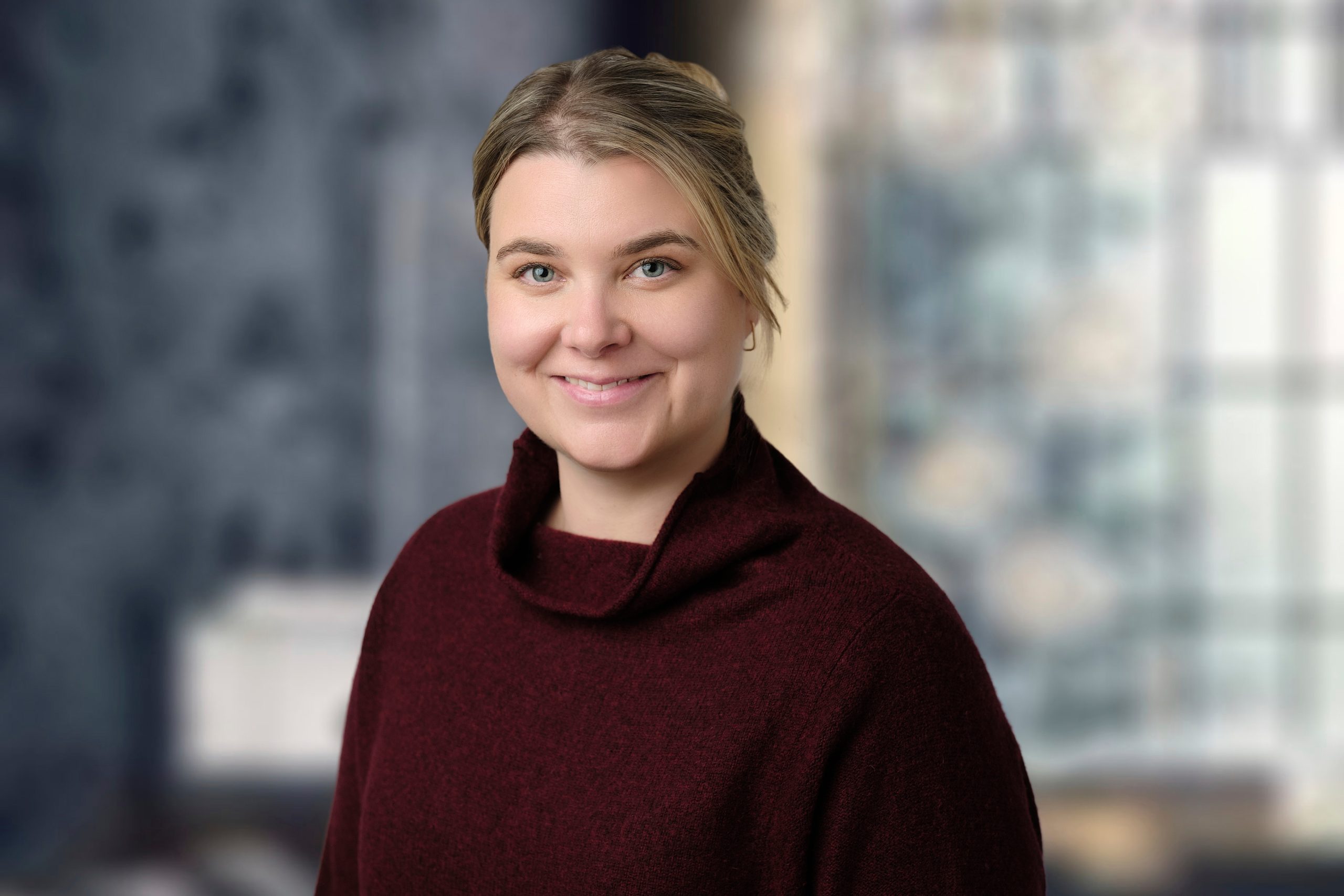
Kate Lofgren, PhD, MPH | Director, Real-World Research, Johnson & Johnson Innovative Medicine
SMDM has played an important role throughout my career. It has given me opportunities to present research, friendships that span institutions, and the chance to grow as a leader as Co-Chair of the Career Development Committee. Serving on the Board would be an opportunity to give back and to help ensure that our future members have the same opportunities to learn, connect, and grow.
I have worked across a range of settings including biotech, start-ups, and large pharma. Moving between these settings has made me appreciate the many ways decision scientists can contribute and build meaningful careers.
It has also made me aware of just how many audiences have yet to become fully engaged at SMDM. As a board member, I would bring that perspective to discussions and decisions. I care about finding ways to better showcase the rigorous research and challenging decisions that shape work in industry settings.
As a candidate for Secretary-Treasurer, I am excited by the opportunity to contribute to the long-term health of SMDM. I have experience managing multi-million-dollar budgets. I’ve also been in early-stage startup settings where finances are tight, and you need to be creative about making your financial investments efficient and impactful.
As a member of the Board, I hope to help maintain the qualities that have always made SMDM special—intellectual curiosity, generosity, and a welcoming community—while ensuring the Society continues to evolve with a particular emphasis on expanding the audience that is actively engaged and welcomed to our community.
Background: Kate Lofgren, PhD, is a decision scientist and real-world evidence leader with more than 15 years of experience generating evidence to inform policy, clinical practice, and healthcare investment decisions. As Director of Real-World Research at Johnson & Johnson Innovative Medicine, she leads studies supporting early-pipeline innovations and U.S. policy priorities.
Kate’s career spans the pharmaceutical, diagnostics, startup, and global health sectors.
Prior to joining Johnson & Johnson, she served as Chief Scientific Officer at Abett, a venture-backed employer-payer analytics company. During her tenure at Foundation Medicine, she led the Health Economics function, where she supported evidence strategies in precision oncology and diagnostic market access. Earlier in her career, she worked on a range of population health challenges through roles at the Institute for Health Metrics and Evaluation, Ariadne Labs, and the World Bank.
Kate holds a PhD in Health Policy from Harvard University and an MPH in Global Health from the University of Washington. Her research has appeared in leading journals including The Lancet, The American Economic Review, and Health Economics.
Candidates for Trustee
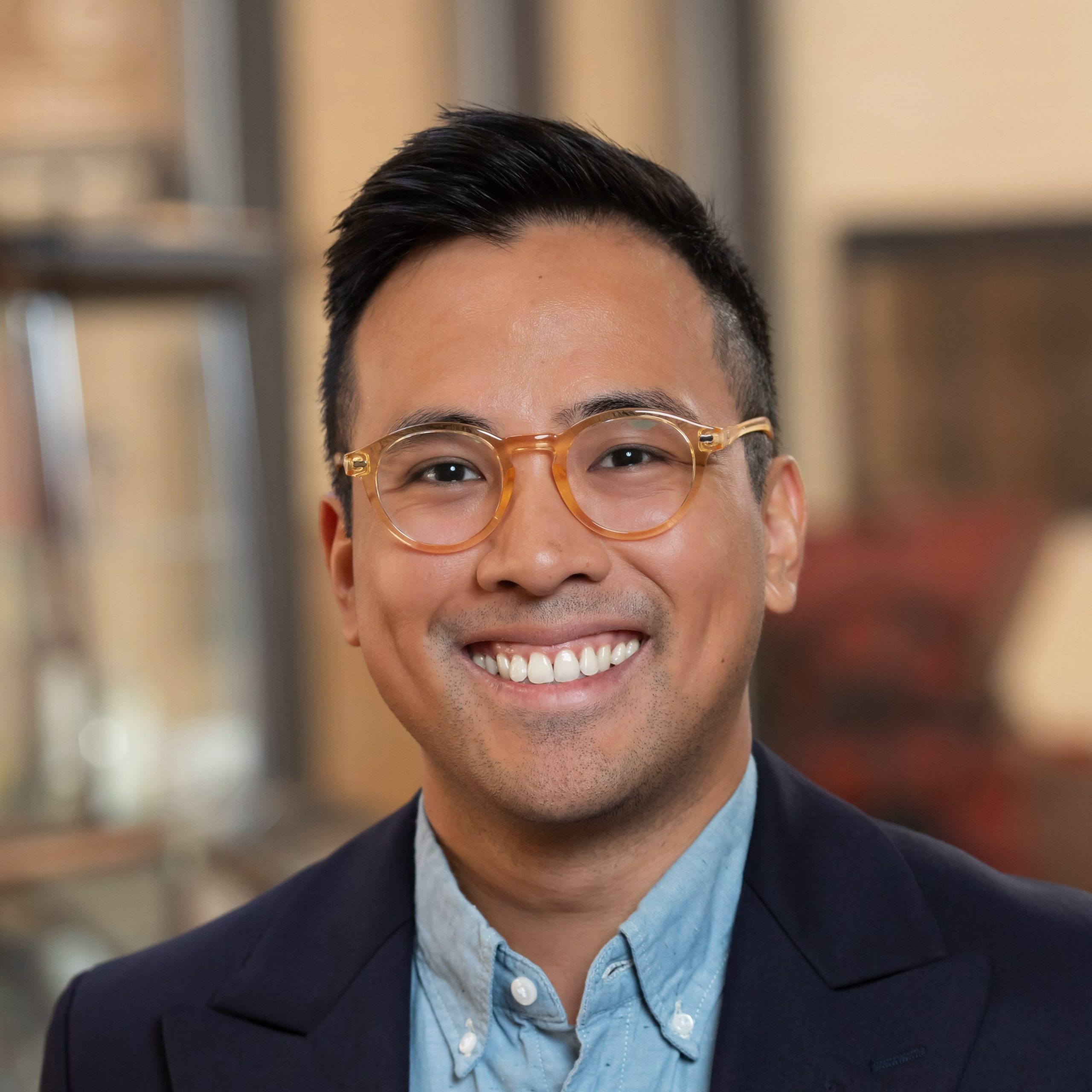
Anton Avanceña, PhD | Assistant Professor of Health Outcomes and Medicine, The University of Texas at Austin
Since joining in 2019, I’ve worn several hats at SMDM: member of the Career Development Committee and Diversity and Anti-Racism Team; co-chair of International Engagement at the Ann Arbor and Oslo meetings; organizer for Advocates for Equity; co-founder and co-chair of the Q+ Affinity Group; and editorial board member of MDM and MDM P&P. Throughout, I’ve been inspired by the strength and warmth of our community, the rigor and impact of our work, and the importance of evidence-based, values-driven decision-making at a time when experts (like us!) and expertise are viewed critically. These experiences motivate me to join the Board, where I’ll bring the same energy and commitment that have fueled my service. I’m focused on protecting what makes SMDM special while tackling challenges. Chief among these is ensuring trainees and early-career professionals feel welcome and supported through responsive, high-quality programming. Our mentoring activities remain among our best strategies to engage new members—just as they did for me in 2019 in Portland. At the same time, our programs must reflect where decision scientists work, especially industry; on the Career Development Committee, we’ve prioritized non-academic members who champion diverse career pathways.
I also want to build on our progress toward a truly global community, reflected in our meeting locations, which have welcomed new members worldwide. Continued progress here will help sustain a strong, diverse membership. SMDM, for me, has always represented potential—from its trainees to the scientific innovation of its members. With your support, I hope to grow it.
Background: Anton Avanceña (he, him) is a decision scientist and health policy researcher who aims to improve value and equity in health globally. Anton’s main area of research involves understanding and addressing the health, economic, and social consequences of mental and behavioral conditions such as alcohol and other substance use disorders, depression, and PTSD. Anton is especially focused on evaluating the costs, benefits, cost-effectiveness, and equity impacts of novel and existing treatments, pharmacotherapies, and population-level interventions through real-world data analysis, simulation modeling, and economic evaluation.
At The University of Texas at Austin, Anton is an Assistant Professor of Health Outcomes in the College of Pharmacy, with a courtesy appointment in the Department of Medicine at Dell Medical School. Since 2025, he has co-directed the Institute for Community Health Research, an interdisciplinary and translational research group focused on advancing the health and well-being of sexual and gender minority populations and other underserved communities. He is also affiliated with the Texas Center for Health Outcomes Research & Education (TxCORE), Cancer Prevention & Control Research Program, and Addiction Research Institute.
Anton received his PhD in health services organization and policy from the University of Michigan, where he was a Robert Wood Johnson Foundation (RWJF) Health Policy Research Scholar and Rackham Merit Fellow. He received his undergraduate and graduate training in public health from the University of California, San Francisco (UCSF) and Santa Clara University.
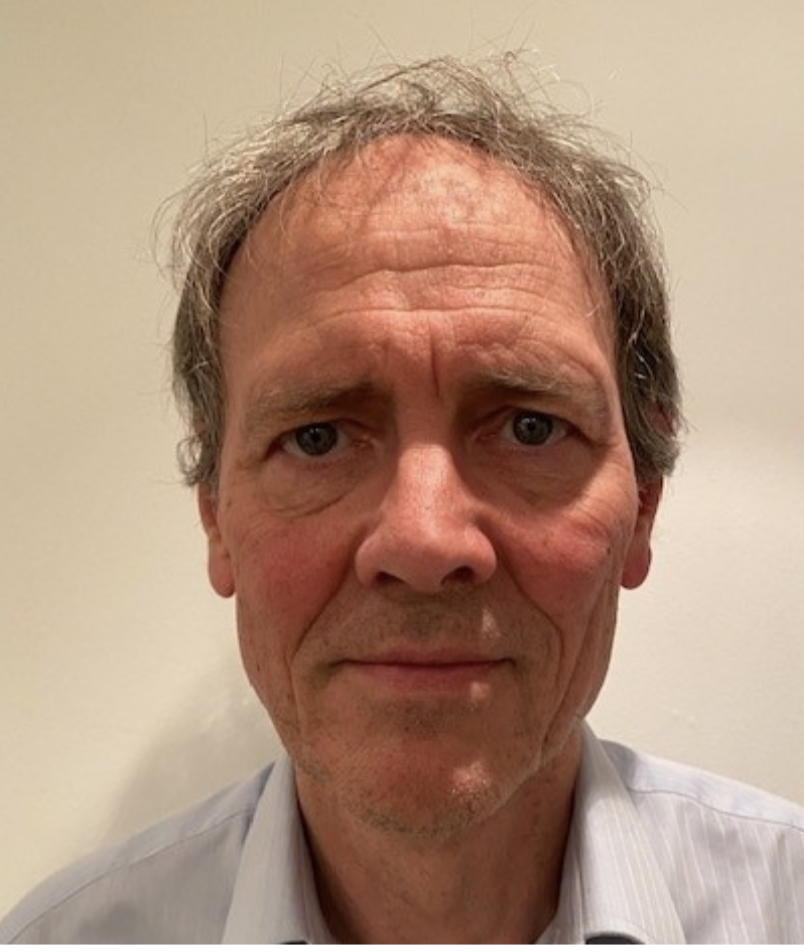
Jesper Bo Nielsen, MSc, PhD | Professor in medical risk analysis and risk communication, Research Unit for General Practice, University of Southern Denmark
Over the past 30+ years, I have participated in many SMDM meetings in both the United States and Europe. A recurring reason for being part of SMDM and attending its meetings has been the society’s multidisciplinary nature and its openness to knowledge sharing among members, which has given me a broader understanding of both my own research and that of others.
Research does not develop uniformly across countries, and particularly in the current geopolitical climate, it seems essential to continue openly sharing new developments in research within the field of medical decision making.
As someone currently based in Europe, I would as a board member like to support and see SMDM, including its journal, continue to be a relevant scientific society with a commitment to multidisciplinarity and international knowledge exchange in the field of medical decision making. I would also like to see an increased research collaboration with potential exchange of supervisors and teaching experiences between active members of SMDM.
Background: Jesper Bo Nielsen (JBN) is a Professor of Medical Risk Analysis and Risk Communication at the Research Unit for General Practice, University of Southern Denmark. He founded and continues to lead the Odense Risk Group, a multidisciplinary research group with a core of local members supplemented by collaborators from Norway, England, and Australia. The group’s focus is on achieving the best possible decisions through effective communication, enhanced understanding, and meaningful stakeholder involvement.
JBN has taught risk analysis, risk communication, and shared decision-making at universities and hospitals for more than 30 years. He has also participated in and presented at numerous international conferences, including meetings of the Society for Medical Decision Making (SMDM). His research has primarily focused on how risk information can be communicated in ways that are useful to relevant stakeholders and support better decision-making. Currently, JBN is working on the development and evaluation of risk prediction models in cardiology, investigating over diagnosis related to melanoma, evaluating app-based communication tools to mitigate mental health challenges in the workplace, and developing AI-based models to reduce both individual and societal costs associated with avoidable hospital readmissions. He has published more than 300 papers, primarily in international peer-reviewed journals.
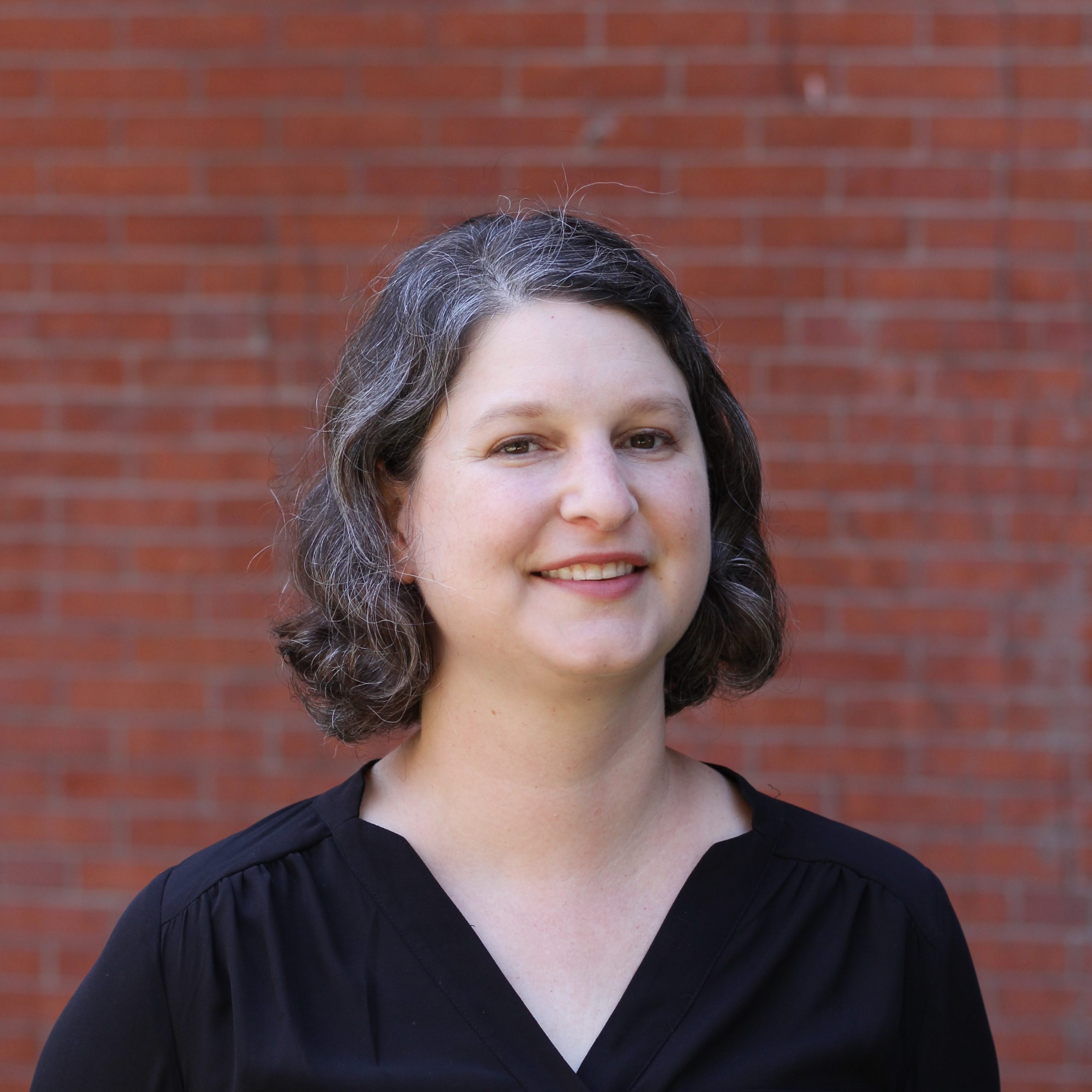
Allison Portnoy, ScD, MSPH | Assistant Professor of Global Health, Boston University School of Public Health
I am honored to be considered for election to the SMDM Board of Trustees. SMDM has been one of the most influential professional communities throughout my career, providing an interdisciplinary home where methodological innovation and real-world policy impact intersect. Through the annual meeting, special interest groups, and collaborations fostered within SMDM, I have built lasting scientific partnerships and benefited from the generosity of a community committed to advancing decision science.
I would welcome the opportunity to give back to the organization that has helped shape my career. As an assistant professor at the Boston University School of Public Health, my research focuses on developing and applying decision-analytic models to quantify the health, economic, and equity impacts of vaccination and other prevention strategies globally. My work spans methodological development, applied decision modeling, and close collaboration with policymakers, including the World Health Organization and ministries of health.
If elected, I would bring a global health perspective grounded in developing and applying decision models to address real-world policy questions. Much of my work is done in collaboration with international partners, giving me an appreciation for how decision science can support policy across diverse health systems and resource settings.
Having progressed through SMDM as a trainee, postdoctoral fellow, and now early-career faculty member, I appreciate the importance of creating opportunities for members at every career stage. It would be a privilege to help advance the Society’s mission and expand connections across disciplines and international settings.
Background: Allison Portnoy is an Assistant Professor in the Department of Global Health at the Boston University School of Public Health. Her research integrates mathematical modeling, health economics, health equity, and decision science to evaluate vaccines and other public health interventions, with the goal of informing evidence-based policy globally. Her ongoing work spans multiple disease areas, including human papillomavirus, measles, respiratory syncytial virus, and tuberculosis, with additional expertise in vaccine delivery costs, implementation challenges, and global immunization policy. Her work has contributed to global vaccine decision-making through collaborations with international organizations and multidisciplinary research teams focused on improving access to life-saving immunization programs.
Her research is supported by the National Institutes of Health, the Bill & Melinda Gates Foundation, the Vaccine Impact Modelling Consortium, Gavi, the Vaccine Alliance, and other funders. Dr. Portnoy is committed to advancing methodological innovation while ensuring that decision science informs practical public health policy. She is also dedicated to mentoring the next generation of decision scientists and fostering interdisciplinary collaboration across the fields of medicine, public health, economics, and policy.
Dr. Portnoy received a Doctor of Science from the Department of Global Health and Population and completed a postdoctoral fellowship at the Center for Health Decision Science, both at the Harvard T.H. Chan School of Public Health. Her previous education includes an MSPH in Health Policy & Management from the Johns Hopkins Bloomberg School of Public Health and a BA in International Relations from Stanford University.
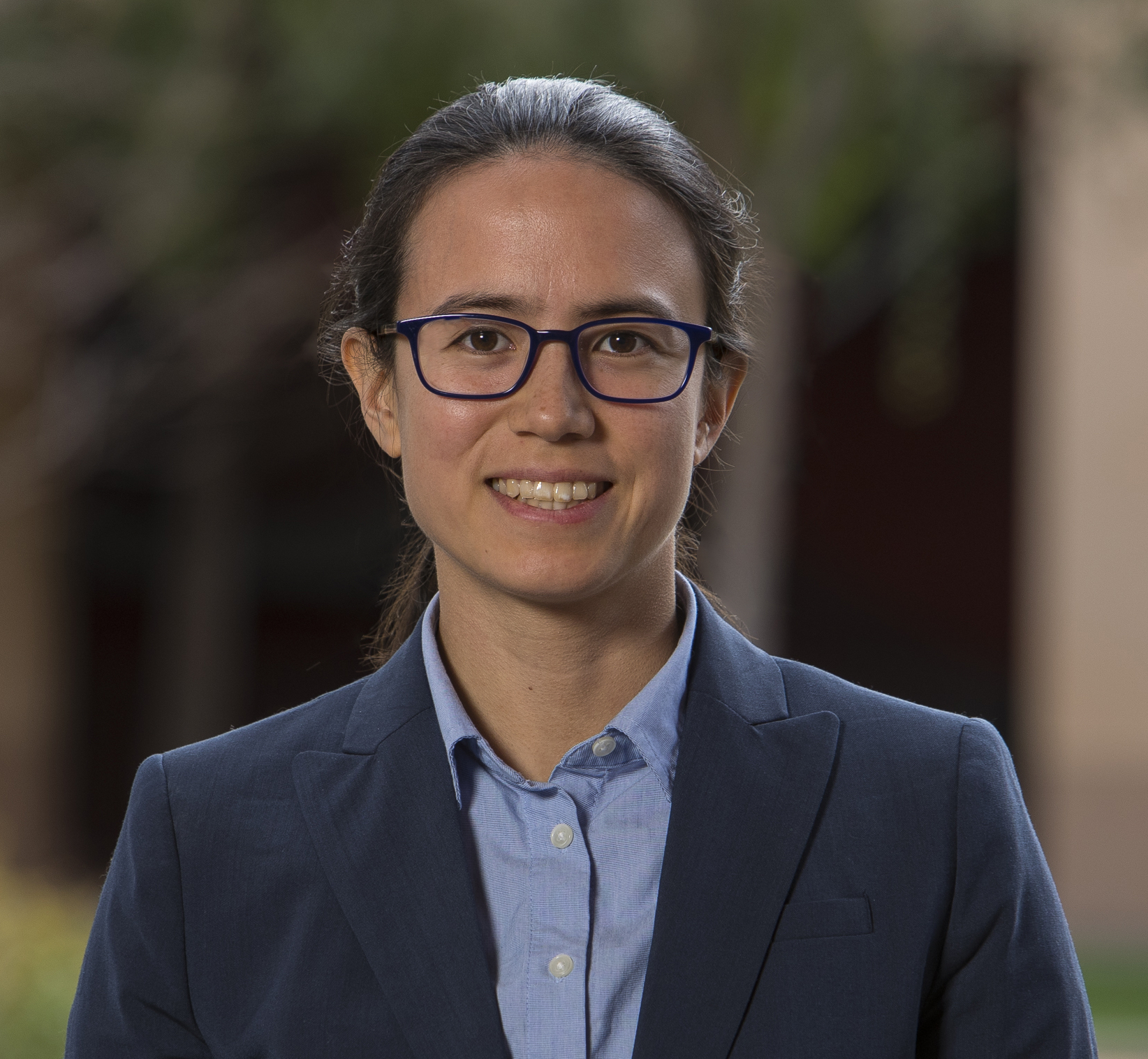
Marissa Reitsma, PhD | Assistant Professor of Health Policy Stanford University
SMDM has been my professional home since I first attended the Annual Meeting in 2020. I have benefited immensely from the society’s investment in trainees and early-career members, and I have valued the privilege of contributing to this objective as a volunteer member and now co-chair of the Career Development Committee. I am excited by the opportunity to serve as a Trustee and help shape the society’s broader efforts in support of its mission.
If elected, my approach to SMDM governance would follow three principles: 1) maximize inclusion, 2) maintain rigor and ethics, and 3) expand influence. First, I view maximizing inclusion in SMDM across research areas, institutions, geographies, identities, and career stages, among other dimensions, as central to its mission, and I have demonstrated leadership in fostering inclusion through my roles and recognitions over the past decade. Second, I believe that generative AI and broader threats to trust in science require SMDM to remain grounded first and foremost in rigor and ethics. I have ongoing work on rigor, reproducibility, and the responsible integration of generative AI in decision science that positions me to provide thoughtful governance in these areas.
Finally, building on the 2025-2027 Strategic Plan’s goal of increasing exchange with clinicians and HTA policymakers, I see opportunities to broaden engagement with private-sector, public health, and health system decision-makers that would further expand the impact of decision science to improve health outcomes.
Background: Marissa Reitsma, PhD, is an Assistant Professor of Health Policy at Stanford University School of Medicine. She received her undergraduate degree in Biology from Brown University (2014), then spent five years in global health research at the Institute for Health Metrics and Evaluation at the University of Washington. She completed her PhD training in Health Policy at Stanford (2019-2024), concentrating on decision science, and twice received SMDM’s Lee B. Lusted Student Prize for applied (2021) and methodological (2023) work. Her research develops computational models to quantify disease burden, evaluate the benefits and costs of interventions, and support evidence-based policy design across a range of population health priorities. Working with the California Department of Public Health during the COVID-19 pandemic established her commitment to research-practice partnerships, and she is dedicated to partnering with public health, clinical, and health system decision-makers to translate scholarly work into real-world impact.
Marissa is a member of SMDM’s Q+ Affinity Group and co-chairs its Career Development Committee. She is deeply committed to fostering inclusion and belonging in research. While at the University of Washington, she founded a staff feedback group and received a Community Builder Award for this effort. As a trainee at Stanford, she served on the Stanford Department of Health Policy’s Community Committee. As faculty, she received the Faculty Women’s Forum Inspiring Early Academic Career Award for creating a culture of inclusion and belonging and the Department of Health Policy’s Award for Excellence in Teaching and Mentoring.

Saniya Singh, PhD | Western Sydney University
In the time that I’ve been part of SMDM, it has played an important role in my development by providing opportunities for mentorship, collaboration, and interdisciplinary exchange. Serving as a Trustee would be an opportunity to give back to a community that has significantly shaped my professional growth. My research spans clinical psychology, behavioural science, and medical decision making, with a particular focus on uncertainty, trust, health communication, and complex healthcare decisions. I believe these perspectives complement SMDM’s existing strengths and reflect the increasingly interdisciplinary nature of decision science.
As an early-career researcher based in Australia, I am committed to strengthening opportunities for members across career stages and geographic regions. I value creating environments where emerging investigators can build meaningful collaborations, develop mentorship networks, and contribute to the Society throughout their careers.
If elected, I would bring a collaborative approach, thoughtful governance, and a commitment to evidence-informed decision making. I would work to strengthen member engagement, support emerging investigators, foster interdisciplinary collaboration, and help ensure SMDM continues to be an inclusive, internationally connected community advancing high-quality decision science.
Background: Dr. Saniya Singh is a licensed Clinical Psychologist and Lecturer in Psychology at Western Sydney University, Australia. Her research interests span behavioural science, medical decision making, and complex mental health, with a particular focus on how people make healthcare decisions under conditions of uncertainty. During her PhD, she examined how emotions influence healthcare decision making when clinical information is incomplete, using nurses’ decisions about antibiotic initiation in residential aged care as an applied model of decision making under uncertainty. She subsequently joined the Behavioural Sciences Unit at the University of New South Wales, where her research focused on shared decision making, trust, and family decision making in precision medicine. She also contributed to national citizens’ juries, using deliberative methods to engage members of the public in informing healthcare research and policy.
Her current research integrates psychological science with decision science to improve decision making for patients, families, clinicians, and health systems. As an early career researcher, she is committed to strengthening interdisciplinary collaboration, supporting the next generation of decision scientists, and advancing the translation of decision science into clinical practice and health policy. Alongside her research, she leads the External Placements portfolio for postgraduate psychology at Western Sydney University. She teaches and supervises postgraduate clinical psychology trainees and Honours and Masters research projects.
Dr. Singh is committed to advancing interdisciplinary collaboration across psychology, medicine, public health, and decision science while supporting the development of emerging researchers. She is the recipient of the Society for Medical Decision Making’s 2026 Murray Kahn Young Investigator Award and the 2025 Outstanding Paper by an Early Career Investigator Award.
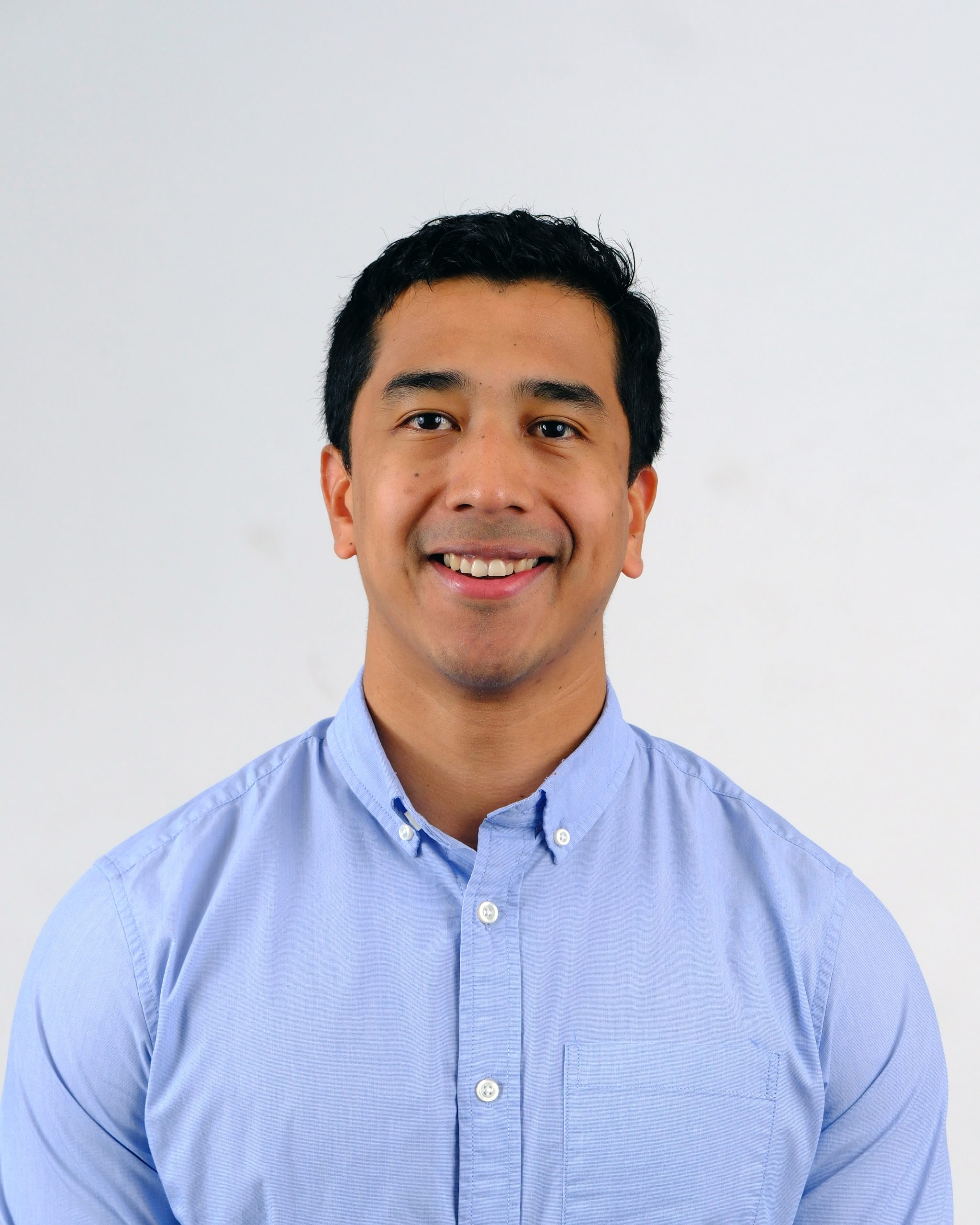
Alistair Thorpe, PhD | Assistant Professor Department of Population Health Sciences, University of Utah
My first SMDM meeting was Leiden in 2018. I was a PhD student newly discovering medical decision making and unsure what to expect. I remember feeling rather overawed, especially being the first time I was in the same room as so many people whose work I had read, but I was quickly reassured by how easy it felt to approach and get to know other attendees. That welcoming culture helped me imagine a place for myself in this field, and since then SMDM has become the most important community in my professional career.
Over the past two years, I have co-chaired the Digital Communications Committee, served on the MDM Editorial Board, and was social media co-chair for the Oslo meeting. These roles helped me better understand the society and identify opportunities to connect members, help people make the most of their membership, and broaden engagement so more people see SMDM as their professional home.
I would be honored to serve as a trustee because I care deeply about protecting what makes SMDM special whilst helping our society grow. As someone who grew up and trained in the UK but now works in the US, I have especially appreciated SMDM’s international outlook, openness, and interdisciplinarity, as well as the scientific rigor. As a trustee, I would bring that perspective to the board and do my best to uphold those values to help ensure that members across countries, disciplines, and career stages feel welcomed, valued, and able to contribute to SMDM.
Background: I completed a BSc (2013-2016) and PhD (2016-2019) in experimental and social psychology at the University of Essex. In 2020, I joined the University of Utah, first as a postdoctoral fellow and now as faculty. I also hold an Honorary Research Fellow position within University College London’s Institute of Epidemiology and Health Care.
As a behavioral scientist in population health, I study the psychological barriers (e.g., cognitive biases) that can make it difficult for people to make decisions about their health and examine why some ways of sharing health information do not work well for patients and clinicians. Using this knowledge, I develop and test strategies to provide health information in ways that are clear, meaningful, and memorable, to help people make informed health decisions.
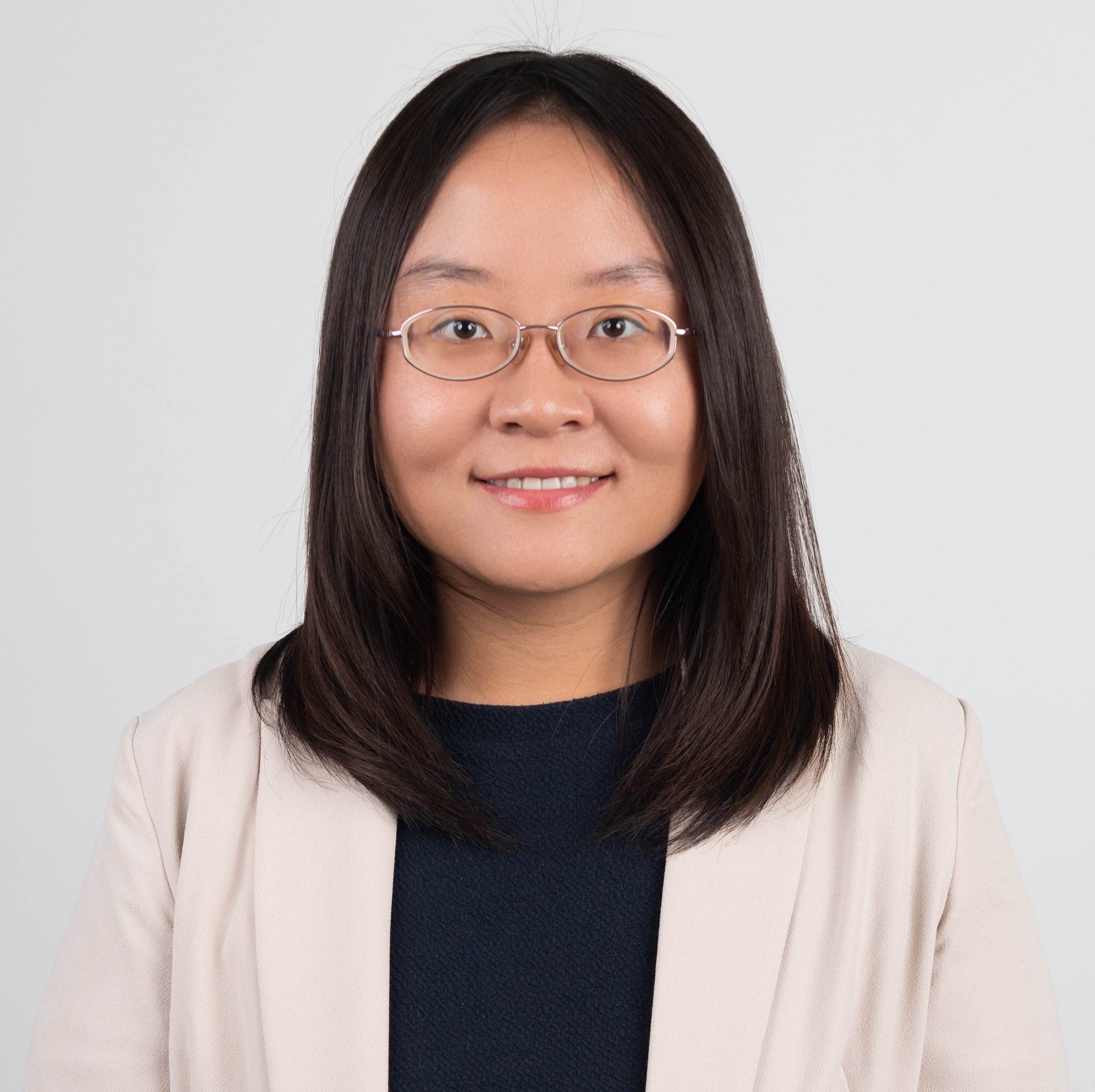
Jinyi Zhu, PhD, MPH | Assistant Professor of Health Policy, Vanderbilt University School of Medicine
SMDM has been my professional home since my first North American Meeting in 2017. It is where I found colleagues who challenge my thinking, mentors I could turn to at important career moments, and friends with whom I have celebrated both professional and personal milestones. I am running for trustee because I want more members to find that same community, wherever they live and at every career stage.
My first priority would be to further strengthen career development opportunities at SMDM. As co-chair of the Career Development Committee, I have helped lead speed mentoring for years and co-launched an off-conference job-market panel that is becoming an annual event. These experiences have shown me that focused, practical programs can create lasting relationships and provide timely support when members need it most. I would build on these efforts to make mentoring and career guidance more accessible across career stages and paths.
My second priority would be to broaden SMDM’s global community. During my four years at Vanderbilt, I have worked with colleagues to teach decision analysis to public health and medical practitioners across Africa, Asia, and South America. I have seen both the enthusiasm for these tools and the barriers many colleagues face in accessing training, mentorship, and professional networks.
As a trustee, I would bring that perspective to efforts that welcome more members from low- and middle-income countries not only as participants, but as colleagues whose expertise and experiences should help shape SMDM’s future.
Background: I am an Assistant Professor in the Department of Health Policy at Vanderbilt University School of Medicine. I use decision-analytic modeling and cost-effectiveness analysis to inform resource allocation in public health and health care, with the goal of translating complex evidence into actionable guidance for clinicians and policymakers.
My research focuses on three areas: the prevention and treatment of cardiovascular and cerebrovascular disease; the application of decision science to health policy and priority-setting; and methodological advances in disease simulation modeling and economic evaluation. My work has evaluated clinical strategies, quality-improvement initiatives, emerging therapies, pharmaceutical and insurance policies, and interventions in infectious disease and global health. I also develop methods for subgroup and distributional cost-effectiveness analysis and for model calibration, validation, and efficiency.
My research has been supported by the American Heart Association and the Alzheimer’s Association and published in journals including JAMA, Annals of Internal Medicine, JAMA Neurology, JAMA Cardiology, and The Lancet Global Health.
I have participated in every SMDM North American Meeting since 2017, and I serve as co-chair of the Career Development Committee and the Teaching Interest Group, as well as on the editorial board of Medical Decision Making and MDM Policy & Practice. I received my Ph.D. in Health Policy from Harvard University, my MPH from Yale University, and bachelor’s degrees in biology and economics from Peking University.